Emergency Tree Service or Routine Cleanup: What Your Property Needs
Understanding the Difference Between Urgent and Planned Tree Care
When a tree comes down on your property, the first question is usually about timing. Is this something that needs attention right now, or can it wait for a scheduled visit? The answer depends on what the tree is doing and where it landed. A fallen tree near the house, blocking a driveway, or hanging over a power line is a different situation from a tree that fell in an open area with no damage. Knowing which category your situation falls into helps you decide what kind of service to call for and how quickly you need it.
Signs You Need Emergency Tree Service
Emergency tree service is for situations where the tree poses an immediate threat to people, property, or access. High winds, storms, or a split trunk can turn a healthy-looking tree into a danger overnight. If you see a hanging limb that could fall at any moment, or if a tree has already come down and is resting on a structure, that is an emergency. Roof impact is a clear sign: a tree on the roof can cause structural damage, water leaks, and further collapse if not addressed quickly. A blocked driveway is another urgent issue, especially if it prevents you from getting a vehicle out or emergency services in. In those cases, removing trees blocking driveways becomes a priority to restore access and safety.
Power line hazards are perhaps the most serious. If a tree or limb is touching or near a power line, do not approach it. Utility lines can be live even if they look dead, and contact can be fatal. In that situation, the first call should be to the power company, and tree work near the line must be handled by professionals with the right training and equipment. Do not attempt to clear anything around a downed power line yourself.
Site stabilization is another factor. If a tree has uprooted and left a large hole, the soil around the root ball may be unstable. Heavy rain or further wind could cause additional settling or erosion. Emergency service can address the immediate hazard and secure the area until a more permanent solution is planned.
When Routine Cleanup Makes Sense
Not every fallen tree requires a rush response. If the tree came down in a field, woods, or other area far from buildings, driveways, and utility lines, you have more time. Routine cleanup is appropriate when the tree is not causing any immediate danger or blocking access. You can schedule the work for a convenient time, often at a lower cost because there is no overtime or urgent dispatch fee.
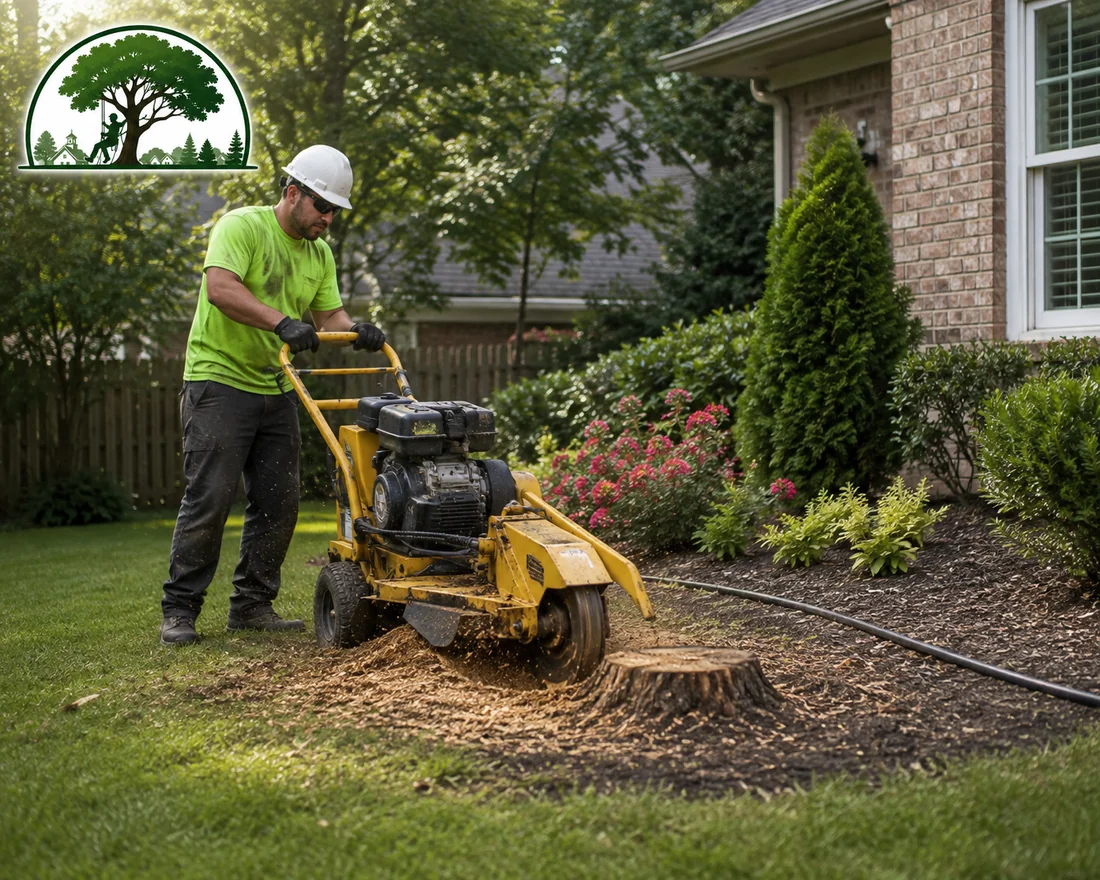
Routine service is also a good choice for trees that have been dead or dying for a while and finally fell, but in a location where they caused no damage. In those cases, the priority is removing the debris, grinding the stump if needed, and restoring the landscape. The work can be done as part of a regular maintenance visit, and you can plan around your own schedule.
Another common scenario is a tree that fell but is not fully separated from the stump. Sometimes the root system is still partially attached, and the tree is resting on the ground but not stable. This can be a gray area: it is not an active emergency, but it is not safe to leave indefinitely. A professional can assess whether the tree needs to be removed soon to prevent it from shifting or rolling. Routine service can handle this, but you may want to move it up in the schedule.
Comparing the Two Approaches
The main difference between emergency and routine service is the response time and the nature of the risk. Emergency calls are about stopping harm. The crew arrives quickly, often within hours, and focuses on making the property safe. That might mean removing trees blocking driveways, tarping a roof, or stabilizing a hanging limb. The work is done fast, and cleanup may be secondary. The priority is eliminating the hazard.
Routine cleanup is more methodical. The crew can take the time to remove the tree in sections, clean up branches and debris, grind the stump, and restore the area. You can discuss options for replanting or grading. There is more room for planning and less pressure. This approach suits situations where the tree has already fallen and is not causing any trouble, or where you are doing preventative work like removing dead trees before they fall.
How to Decide Which One You Need
Start by asking a few questions. Is the tree touching a building, a car, or a power line? If yes, it is likely an emergency. Is the tree blocking a driveway or a path that you need to use? If so, that qualifies as urgent. Is there a large limb hanging overhead that could fall in a light wind? That is a priority. If the answer to all of these is no, and the tree is simply lying on the ground in an open area, routine service is probably sufficient.
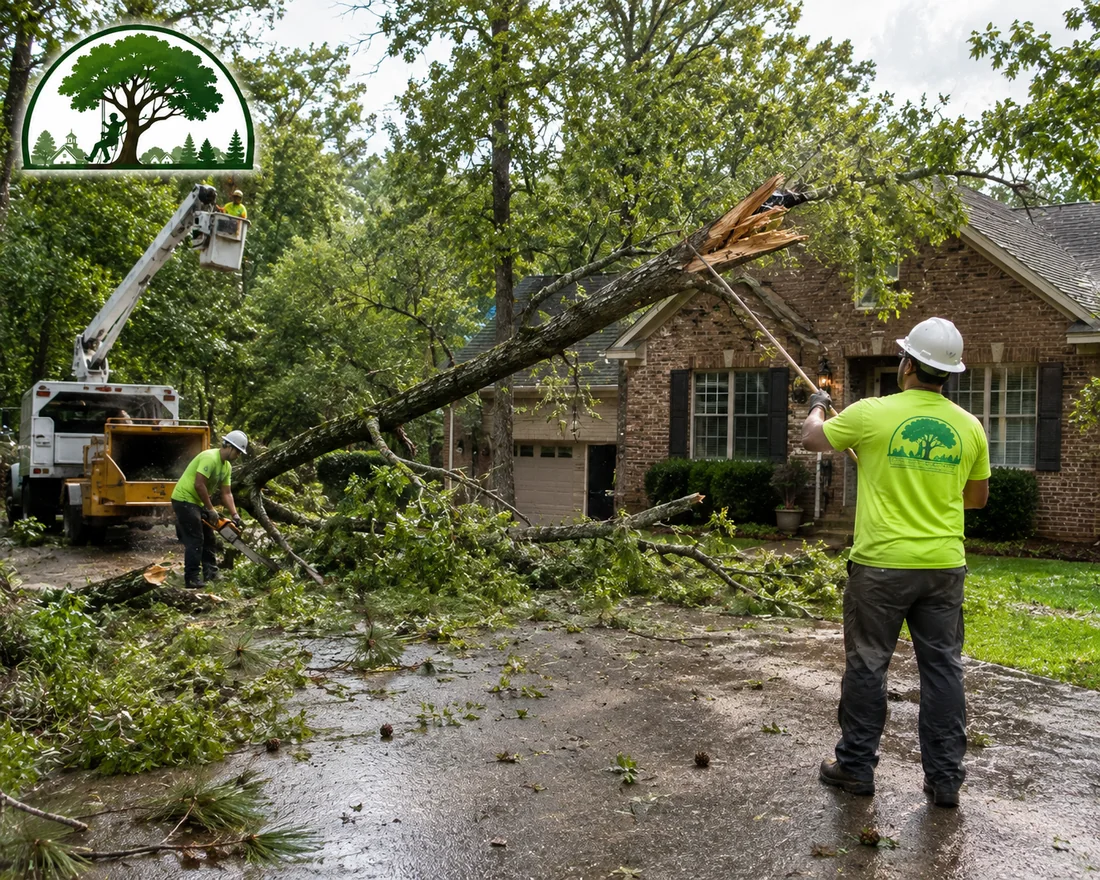
Another question is timing. If you can wait a few days or weeks, routine service works. If you need the tree gone today because it is blocking access or threatening a structure, call for emergency help. Some people try to handle small fallen trees themselves, but even a tree that looks manageable can be dangerous. A trunk under tension, a root ball that shifts, or a limb that springs back can cause serious injury. Professionals have the equipment and training to handle those risks safely.
What to Expect from Emergency Service
When you call for emergency tree service, the company will usually ask about the situation: what type of tree, where it fell, whether it is touching anything, and whether there are power lines involved. They will send a crew and often an arborist to assess the scene. The work may involve cutting the tree into sections, removing the heaviest parts, and securing the area. Full cleanup might be done later as part of a separate visit. Expect the team to work quickly and to focus on the most urgent hazards first.
What to Expect from Routine Cleanup
Routine cleanup is more relaxed. You can schedule a time that works for you. The crew will arrive with the equipment needed to remove the tree, grind the stump, and haul away debris. They may also do pruning or trimming of nearby trees if you want. The cost is usually lower than emergency service because the work is planned and does not require overtime. You can also combine multiple tasks into one visit, such as removing a fallen tree and trimming a few overgrown branches.
Prevention and Long-Term Planning
After any tree event, it is worth thinking about prevention. A tree that fell in a storm may have been weakened by decay, poor structure, or root damage. Regular inspections can catch problems early. Removing dead or dying trees before they fall is a form of routine maintenance that can prevent emergencies. Pruning to reduce wind resistance, removing heavy limbs, and cabling weak forks are all steps that can keep your trees healthy and reduce the chance of a sudden failure.
If you have trees near the house, driveway, or utility lines, have them checked periodically. An arborist can identify signs of a split trunk, root rot, or other structural issues. Catching those early means you can plan a routine removal instead of dealing with an emergency later. That saves money and stress, and it gives you control over the timeline.
In the end, the choice between emergency tree service and routine cleanup comes down to risk and urgency. If the tree is causing an immediate problem, call for emergency help. If it can wait, schedule a routine visit. Either way, the goal is the same: a safe property and peace of mind.